
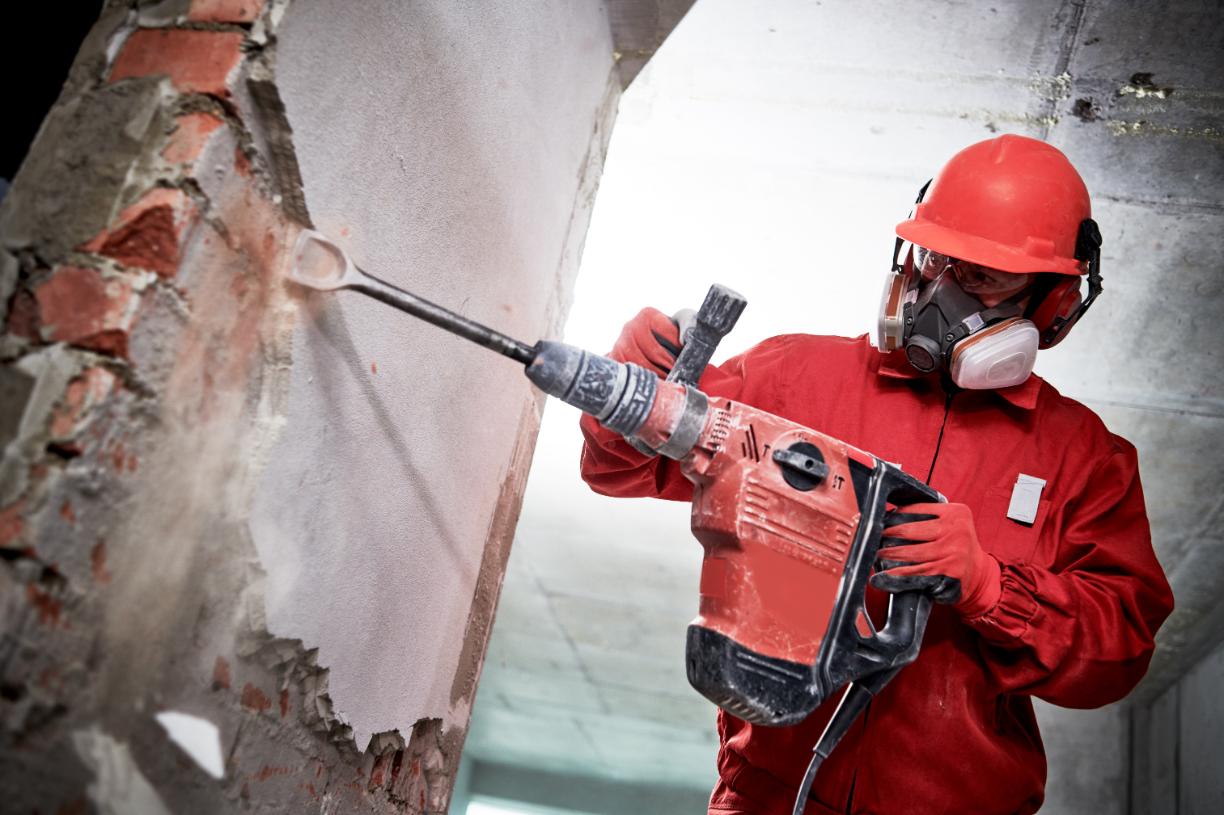
Can You Demolish a Garage, Shed, or Detached Structure in Prescott?
August 30, 2026 6:36 pm Leave your thoughtsAn old garage, leaning shed, or unused outbuilding can take up valuable space and create problems for a property owner, especially on older or sloped lots around Prescott. Removing one may look straightforward, but demolition involves more than bringing in equipment and hauling away debris.
Quick answer: Yes, you can demolish a garage, shed, or other detached structure in Prescott, but you should confirm the applicable permit and property requirements before work begins. The City of Prescott specifically identifies demolition of garages, sheds, shade structures, and similar buildings as “Demolition / Accessory Structure” work. Depending on the property, utility connections, historic status, grading, drainage, and access can also affect the project.
What local property owners should know
-
The City of Prescott has a specific demolition permit category for accessory structures such as garages and sheds.
-
A demolition submittal generally requires a site plan showing lot lines, the property address, existing structures, fences, retaining walls, utilities, and easements.
-
Properties in Prescott historic districts can face additional review before permitted exterior work or demolition moves forward.
-
Work affecting a public street, alley, sidewalk, or other city right-of-way may require an additional right-of-way permit.
-
Demolition that substantially changes grading or drainage can trigger separate engineering requirements.
Do You Need a Permit to Demolish a Garage or Shed in Prescott?
A garage, shed, or similar detached structure may require a City of Prescott demolition permit, and property owners should verify the requirement before beginning removal. The city’s permit system specifically includes a “Demolition / Accessory Structure” category for demolishing all or part of a garage, shed, shade structure, or similar accessory building.
That distinction matters because rules for building a small accessory structure are not necessarily the same as rules governing its removal. Prescott’s adopted building provisions exempt certain one-story detached residential accessory buildings of 200 square feet or less from a building permit, but the city separately maintains a demolition process for accessory structures. Do not assume that a small shed can automatically be torn down without checking first.
The City of Prescott also introduced a Fast Track Permit Program in July 2026, and accessory structure demolition is among the residential projects that may qualify for expedited review when eligibility requirements are met.
Why Does Detached-Structure Demolition Matter Locally?
Detached-structure demolition matters locally because Prescott properties can involve steep terrain, older improvements, limited equipment access, utility connections, historic review, and drainage concerns that turn a simple teardown into a larger site-work project. Planning for those conditions before demolition helps avoid unnecessary damage to the rest of the property.
Around established neighborhoods near Downtown Prescott and Courthouse Plaza, detached garages and outbuildings may sit on older lots with tight setbacks and limited access. Properties toward Thumb Butte or Williamson Valley can present different challenges, including slopes, longer driveways, rocky ground, and vegetation near the work area.
Other sites near Granite Dells may involve exposed rock or terrain that makes equipment positioning and debris removal more complicated. These conditions are a major reason demolition should be approached as a complete site project rather than only as removal of the structure.
At Kelmac Excavation, Inc, we can help property owners think through the demolition and site-work considerations involved in removing an unwanted detached structure.
What Does Prescott Require for a Demolition Application?
Prescott’s demolition checklist calls for an online application and a site plan that identifies the parcel, existing improvements, utilities, and easements so reviewers can understand what will be removed and what must remain protected. Additional city divisions may need to review the project when special property conditions are present.
The City’s demolition checklist says the site plan should show:
-
Parcel lot lines and the property address
-
Existing structures
-
Fences and retaining walls
-
Existing utilities
-
Easements
For commercial demolition, the checklist also identifies a National Emission Standard for Hazardous Air Pollutants report as a submittal requirement. Public Works Engineering, floodplain considerations, fire requirements, and Wildland Urban Interface requirements can also become relevant depending on the site.
What Warning Signs Suggest a Detached Structure Should Be Removed?
A detached structure may be a candidate for demolition when deterioration has progressed beyond a practical repair, the building interferes with future property plans, or structural damage creates an obvious safety or usability concern. A qualified evaluation is especially useful when the structure is old or its condition is uncertain.
Common warning signs include:
-
A garage or shed is leaning or visibly out of square.
-
Roof framing has failed or sections of the roof have collapsed.
-
Walls show major cracking, separation, rot, or impact damage.
-
The slab or foundation has significant movement or deterioration.
-
Doors can no longer open because the structure has shifted.
-
The building has been damaged by fire, falling trees, or severe weather.
-
An unused structure blocks access needed for another property improvement.
-
Repair would require rebuilding a substantial portion of the structure.
These signs do not automatically mean demolition is the only option, but they are good reasons to evaluate repair versus removal.
When Should You Call a Professional for Structure Demolition?
Professional demolition becomes the safer choice when a garage or shed has utilities, concrete foundations, unstable framing, difficult equipment access, nearby structures, retaining walls, or substantial debris that must be removed from the site. Those conditions can make even a relatively small building difficult to dismantle safely and efficiently.
A homeowner may be able to clean out a sound storage shed or remove loose interior contents before work begins. DIY work should stop before disturbing unknown electrical wiring, gas lines, plumbing, structural components, or materials that may require special handling.
Heavy equipment also changes the risk. A machine needs adequate room to enter, maneuver, demolish the structure, load material, and leave without damaging the house, driveway, septic components, utilities, trees, or neighboring property.
What Common Local Conditions Affect Demolition?
The most common local demolition challenges are site access, terrain, foundations, utilities, drainage, and property-specific restrictions rather than the size of the building alone. Two similarly sized garages in Yavapai County can require very different approaches because the surrounding properties are different.
1. Sloped or rocky sites: Elevation changes and rock can affect equipment access, stability, and final grading.
2. Concrete slabs and footings: Removing the walls may be only part of the job if a slab, stem wall, or buried footing also needs to come out.
3. Connected utilities: Detached garages can have electrical service, water, sewer, gas, or communications that need to be identified before demolition.
4. Tight older lots: Established neighborhoods may have narrow driveways, fences, mature trees, retaining walls, and neighboring structures close to the work area.
5. Historic properties: Prescott contains multiple local and National Register historic districts. Permitted exterior work on properties within those districts can require additional preservation review.
How Should You Prepare for Garage or Shed Demolition?
Preparing for demolition means confirming permits first, emptying the structure, identifying utilities, determining what should happen to the foundation, and establishing safe equipment and debris-removal access before demolition begins. Good preparation can prevent the teardown from creating a second site problem afterward.
Property owners should decide whether the goal is simply removing the building or preparing the space for something new. If a future garage, driveway, yard area, or other improvement is planned, the desired finished grade can affect how the existing slab and foundation are handled.
Also consider drainage before changing the site. The City of Prescott states that grading and drainage permits can apply when cut or fill exceeds 50 cubic yards, clearing exceeds 10,000 square feet, or work affects drainage on neighboring upstream or downstream properties.
What Results Should You Expect After Professional Demolition?
A properly planned demolition should leave the unwanted structure removed, debris managed, and the affected area ready for the next phase of site work based on the agreed scope. The exact finished condition depends on whether the project includes slab removal, foundation excavation, backfilling, grading, or preparation for new construction.
That final condition should be discussed before equipment arrives. If the garage disappears but a broken slab, deep footing, or uneven excavation remains, the property may not yet be usable for the owner’s next goal.
For local projects, thinking about demolition and site preparation together can make the transition from an old structure to usable property much smoother.
What Are Common Garage and Shed Demolition Mistakes?
The most common demolition mistakes involve starting before permit questions are resolved, overlooking utilities, underestimating site access, and failing to plan what happens after the building is removed. Each can increase disruption or require additional work later.
Mistake: Assuming a small shed needs no review.
Consequence: Work may begin before city requirements have been confirmed.
Better approach: Check the current accessory-structure demolition requirements first.
Mistake: Ignoring the slab and foundation.
Consequence: The structure is gone, but the site still cannot be used as intended.
Better approach: Decide before demolition whether concrete and footings will remain or be removed.
Mistake: Forgetting equipment access.
Consequence: Fences, landscaping, walls, or other improvements may obstruct the work.
Better approach: Establish the safest access route before mobilization.
Mistake: Changing drainage unintentionally.
Consequence: Water may begin moving toward another structure or adjoining property.
Better approach: Include final grading and drainage in the demolition plan.
What Is a Common Prescott Demolition Scenario?
A common Prescott scenario is an older detached garage or shed that has reached the end of its useful life while the homeowner wants to reclaim the area for parking, yard space, or a future improvement. The structure itself may be small, but access, concrete, utilities, and final grading determine the real scope.
For example, a detached garage on an established hillside property might sit behind the home with only one practical equipment route. The project would need to consider the driveway, neighboring improvements, utility locations, slab removal, debris loading, and how the disturbed area will be graded afterward.
That is a typical project scenario, not a specific Kelmac Excavation, Inc. case study.
What Demolition and Site-Work Solutions May Be Needed?
Detached-structure removal may involve demolition, debris handling, concrete removal, excavation, backfilling, and grading depending on the building and the owner’s plans for the cleared area. Evaluating the entire site before work begins helps define which of those steps actually belong in the project.
A garage with a substantial slab and footings usually involves more ground disturbance than a lightweight shed sitting on blocks. Likewise, a property being prepared for new construction may require a different finished condition than a site that will simply become open yard space.
Is DIY Demolition or Professional Demolition the Better Choice?
DIY removal can make sense for limited nonstructural cleanup, but professional demolition is generally the better option when structural collapse, concrete, utilities, heavy debris, excavation, or equipment access are part of the project. The decision should be based on site conditions and risk rather than only the square footage of the building.
A small, sound storage structure with no utilities may be relatively straightforward. A garage with electrical service, a concrete slab, damaged framing, or tight access presents a different situation.
Professional equipment can also make it practical to coordinate teardown, material loading, foundation removal, and site grading as one scope instead of treating them as separate projects.
What Areas Around Prescott May Have Similar Demolition Needs?
Property owners throughout Prescott and nearby Yavapai County communities may encounter aging garages, sheds, workshops, and other detached structures that need removal as properties are renovated or repurposed. Conditions vary significantly between established city neighborhoods, hillside lots, and properties farther into the surrounding region.
Nearby communities such as Prescott Valley and areas along Williamson Valley can have their own jurisdictional requirements, so property owners outside Prescott city limits should confirm which permitting authority governs the parcel before starting demolition.
What Can Happen If You Delay Removing a Failing Structure?
Delaying removal of a badly deteriorated detached structure can allow roofing, framing, walls, or foundations to worsen while limiting the usable space on the property. Waiting may also complicate cleanup if the structure continues collapsing or weather exposes additional materials.
Prescott’s seasonal wind, rain, snow, and temperature changes can continue acting on a structure that is already compromised. The appropriate response is not always immediate demolition, but an unstable or seriously deteriorated building deserves timely evaluation.
FAQ About Garage and Shed Demolition in Prescott
Can I tear down my own shed in Prescott?
Possibly, but you should confirm the city’s demolition requirements before starting. Prescott specifically maintains a demolition permit category for accessory structures such as sheds, garages, and shade structures. The fact that a structure is small does not mean property owners should automatically assume demolition is exempt from city review.
Does Prescott require a permit to demolish a detached garage?
The City of Prescott specifically categorizes detached garage removal as accessory-structure demolition, so owners should verify and obtain the applicable permit before work begins. The city’s demolition checklist also requires site information including existing buildings, utilities, easements, fences, and retaining walls.
Can accessory-structure demolition qualify for a Fast Track permit?
Yes, qualifying residential accessory-structure demolition is included in Prescott’s Fast Track Permit Program introduced in July 2026. The city states that eligible projects with complete applications can receive expedited review and same-day issuance when submitted in person before the program’s stated cutoff, subject to the current eligibility requirements.
Does a 200-square-foot shed automatically need no demolition permit?
No, property owners should not rely on the 200-square-foot rule without checking the demolition requirements. Prescott’s adopted code provides a building-permit exemption for certain one-story detached accessory buildings no larger than 200 square feet, while the city’s permit system separately identifies accessory-structure demolition.
Are historic properties in Prescott different?
Yes, historic status can add review requirements to a demolition project. The City of Prescott states that properties in Local Historic Districts must go before the Preservation Commission for exterior work requiring a permit, while permitted exterior work in National Register-only districts receives administrative review by the Historic Preservation Specialist.
What if demolition equipment needs to work from an alley or public street?
Additional approval may be required if demolition-related work enters a city right-of-way. Prescott requires right-of-way permits for work within public streets, alleys, sidewalks, and other qualifying public easements, including certain utility and infrastructure work. Planning access early can prevent equipment logistics from delaying the project.
Should the concrete slab be removed with the garage?
The slab should be removed when doing so supports the property’s next use, but it does not always have to be part of every demolition scope. If the area will be regraded, landscaped, or prepared for new construction, removing the old slab and footings may provide a cleaner starting point.
Can demolition affect drainage on a Prescott property?
Yes, demolition can affect drainage when slabs, foundations, soil, or site elevations are changed. Prescott may require a grading and drainage permit when specified disturbance thresholds are exceeded or when work affects drainage on neighboring upstream or downstream properties, making final grading an important planning consideration.
Clear the Structure and Prepare the Property for What Comes Next
Removing an unwanted garage, shed, or detached building can open up useful space, but the best results come from treating demolition as a complete site project. Permit requirements, access, utilities, concrete, grading, and the property’s next use should all be considered before work begins.
Get Your Prescott Property Ready for Its Next Use
We can help you evaluate the demolition and site-work needs involved in clearing an unwanted detached structure while keeping the next phase of your property in mind.
Categorised in: Demolition
This post was written by admin